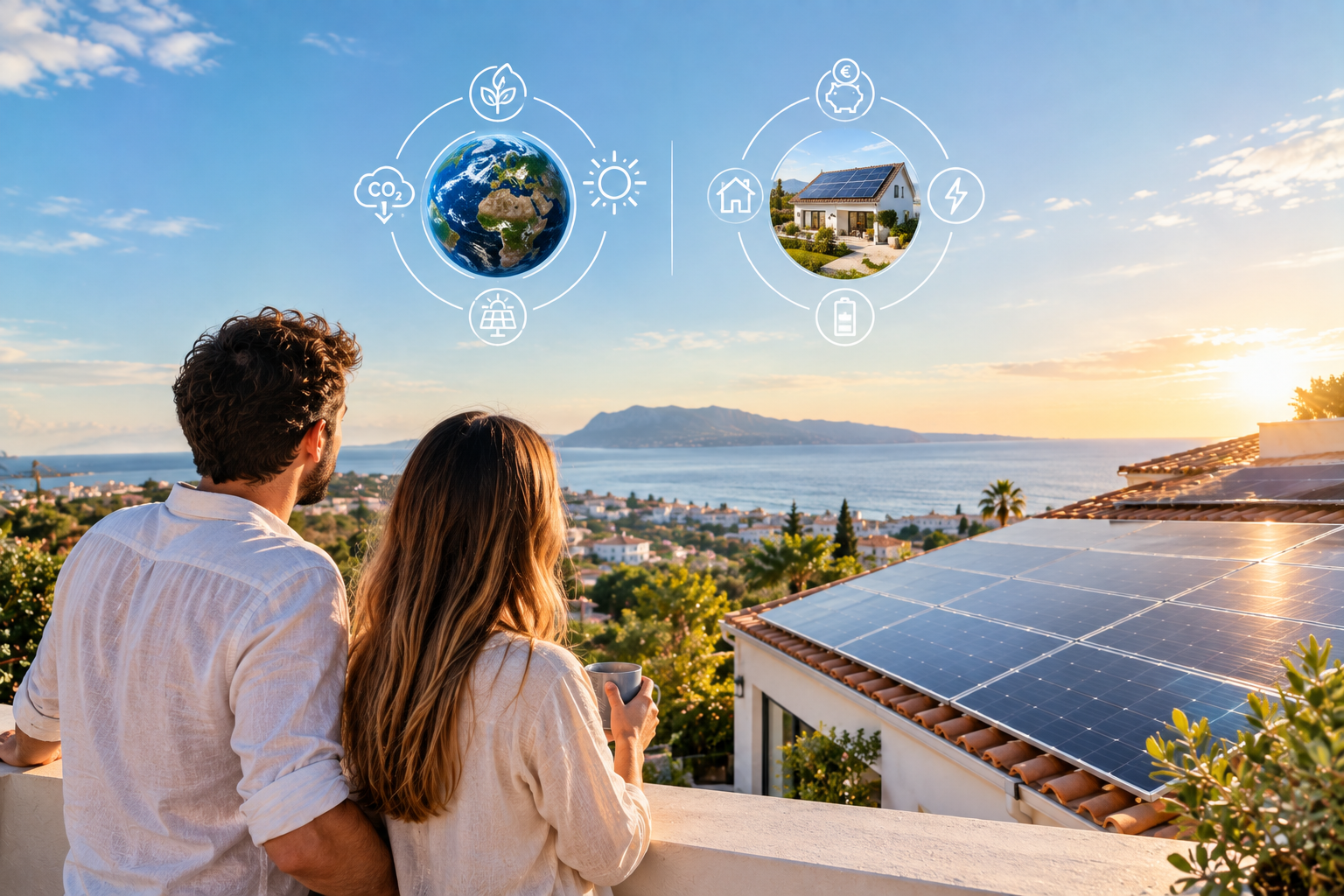
“Do we really need solar panels?” is actually two different questions wearing the same sentence. One is about the planet and the energy system as a whole. The other is about your roof, your electricity bill, and whether solar makes sense for you specifically. The honest answer to each is different, so let’s untangle them.
The case that we, collectively, need solar
At a system level, the argument for solar is less about ideology and more about arithmetic.
Electricity demand is rising, not falling. Electrification of heating, transport, and industry means most countries will need significantly more electricity over the next two decades, not less. That power has to come from somewhere.
Solar is now the cheapest new source of electricity in most of the world. This isn’t a subsidy-dependent claim anymore — in sunny regions, new solar generation is cheaper per kWh than new gas, coal, or nuclear plants, even before accounting for the cost of carbon emissions.
Energy security has become a harder argument to ignore. Countries that import fossil fuels are exposed to price shocks and geopolitical disruption in a way that domestically-generated solar isn’t. This case strengthened considerably after the energy price volatility of the early 2020s.
Decentralized generation adds resilience. A grid with millions of small solar installations spread across rooftops is structurally different from one built around a handful of large power plants — it’s harder to disrupt in one place, and it reduces transmission losses by generating power closer to where it’s used.
None of this means solar is the only answer — wind, storage, grid upgrades, and nuclear all play a role in most realistic energy transition plans. But within that mix, solar’s argument is strong enough that most independent energy agencies treat it as a near-certainty, not a bet.
The case that no single household actually “needs” solar
Here’s the honest counterpoint: none of the system-level argument above means you specifically need panels on your roof.
The grid still works without you. Unlike, say, needing a car to get to work, nothing breaks if you personally don’t install solar. Your electricity keeps flowing from wherever it currently comes from.
It’s a financial decision, not a survival one. For most homeowners in developed countries, solar is best understood as an investment with a payback period, not a necessity. If the payback period is long where you live, or you’re not planning to stay in the property, the financial case weakens considerably.
Your specific situation changes the answer a lot. A shaded roof, low electricity consumption, cheap local electricity rates, or a short remaining time in the home can all make solar a poor fit even in a country where it makes sense for most people.
Renting or living in certain buildings takes the decision out of your hands entirely. For a large share of the population, whether “we” need solar is somewhat academic — they don’t own the roof.
So when does solar shift from “nice to have” toward “makes real sense”
A few conditions push an individual household’s answer closer to yes:
High electricity prices. The more expensive grid electricity is where you live, the faster solar pays for itself and the stronger the case becomes.
High sun exposure. More usable sun hours per year means more electricity generated per panel, which directly improves the economics. This is a big part of why the calculation looks different in, say, southern Spain than in northern Europe.
High and predictable daytime consumption. Air conditioning, pool pumps, electric vehicle charging during the day, or a home office running through daylight hours all mean you use more of what you generate directly, rather than exporting it to the grid at a lower rate.
Frequent power outages or an unreliable grid, where solar combined with battery storage provides a genuine resilience benefit beyond the financial case.
Available subsidies or tax deductions that shorten the payback period meaningfully, though these vary by country and change over time, so they’re worth verifying rather than assuming.
A simple way to think about your own answer
Rather than treating “do we need solar panels” as a yes/no question, it helps to ask three narrower ones:
- What’s my electricity bill actually costing me per year, and how much of that could realistically be offset by generating my own power?
- How many sun hours does my specific roof get, accounting for orientation, shading, and local climate — not just the national average?
- How long do I plan to stay in this property, relative to the payback period of the system?
If the answers point toward strong sun exposure, high consumption, and a long time horizon, solar tends to be a genuinely good decision. If any of those is weak, it’s worth running the numbers carefully before assuming solar is automatically the right call — good installers should be willing to show you that math honestly, including scenarios where it doesn’t make sense yet.
Where Alicante fits into this
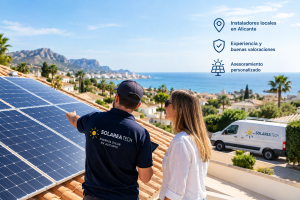
If you’re asking this question because you live in Alicante or along the Costa Blanca, it’s worth knowing that the region sits toward the favorable end of nearly every factor above: over 300 sunny days a year, high air-conditioning driven daytime consumption in summer, and electricity prices that have made self-consumption increasingly attractive. That doesn’t make solar mandatory for anyone, but it does mean the “does this make sense for me” calculation tends to land on yes more often here than in most of Europe.
Frequently asked questions
Is solar power necessary for the environment, or just helpful? Most independent energy analyses treat a substantial expansion of solar as necessary to meet emissions targets at a system level — not the only necessary technology, but one of the largest contributors given its current cost and scalability.
Do I personally need solar panels on my home? No single household strictly needs solar the way it needs electricity itself. Whether it makes sense depends on your electricity costs, sun exposure, consumption pattern, and how long you’ll stay in the property.
What’s the biggest factor in whether solar is worth it for a specific home? Usually the combination of local electricity prices and sun exposure. High prices and strong sun exposure together tend to produce the shortest payback periods.
Does solar make sense without a battery? Yes, for most homes. A grid-connected system without a battery still offsets daytime consumption and can export surplus energy, though a battery increases self-consumption and provides backup during outages.
Get a straight answer for your specific home
If you’re in Alicante or the wider Costa Blanca and want an honest, data-based answer for your specific roof — not a generic sales pitch — Solarea Tech offers a free technical assessment that includes your actual consumption, roof orientation, and a real payback calculation before you commit to anything.
📞 Contact us at 669 34 86 07 or visit www.solareatech.com to request your assessment.