
Solar energy is power obtained directly from the sun through technologies that convert sunlight into electricity or heat. At Solarea Tech, we help Spanish homeowners understand solar energy and how to harness it effectively for their homes in 2026.
This comprehensive guide answers your key questions: What is solar energy in simple terms? Why is solar energy important? What are examples of solar energy? How does solar work? We’ll explain everything you need to know about this clean, renewable power source.
What Is Solar Energy in Simple Words?
Solar energy is electricity or heat generated from sunlight. The sun continuously radiates enormous amounts of energy toward Earth, and solar technologies capture this energy and transform it into usable power for homes, businesses, and communities.
In the simplest terms: Solar energy converts sunshine into electricity you can use to power your home—lights, appliances, air conditioning, and everything else that runs on electricity.
How it works simply: Solar panels on your roof contain special materials that react to sunlight, creating an electrical current. This electricity flows into your home, reducing or eliminating your need to buy power from the electricity grid.
Why it matters: Unlike coal, gas, or oil that eventually run out and pollute, sunlight is unlimited and completely clean. Solar energy provides endless, pollution-free electricity as long as the sun shines.
What Is Solar Energy? (Complete Definition)
Solar energy is renewable energy derived from the sun’s radiation. This radiation can be captured and converted into two primary forms:
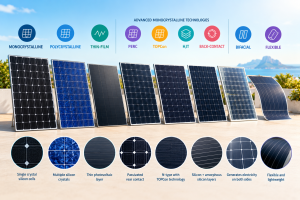
Photovoltaic solar energy (solar electricity): Solar panels containing photovoltaic cells convert sunlight directly into electricity through the photovoltaic effect. When sunlight hits these cells, it excites electrons in the semiconductor material (usually silicon), creating an electrical current.
Solar thermal energy (solar heat): Solar thermal collectors absorb the sun’s heat to warm water or air for residential heating, hot water systems, or industrial processes.
Key characteristics:
- Renewable: The sun will continue radiating energy for billions of years
- Clean: Produces zero emissions during operation
- Abundant: The sun provides more energy in one hour than humanity uses in a year
- Free: Once installed, sunlight costs nothing
- Silent: Solar systems operate noiselessly
- Low maintenance: Minimal upkeep required after installation
Why Is Solar Energy Important?
Solar energy addresses critical global challenges while providing practical benefits for homeowners:
Environmental protection: Every kilowatt-hour generated with solar energy prevents approximately 0.4 kg of CO2 emissions. A typical 5 kW residential installation in Spain avoids over 2 tons of CO2 annually—equivalent to planting 80 trees.
Energy independence: Solar reduces reliance on fossil fuels and foreign energy sources. Homeowners gain independence from volatile electricity markets and price fluctuations.
Economic savings: Solar dramatically reduces electricity bills. Spanish homeowners typically save 50-90% on electricity costs, with savings of €900-€1,500 annually for average homes.
Inexhaustible resource: Unlike fossil fuels that deplete, the sun provides constant energy. Spain receives 2,500-3,000+ sunshine hours annually, making it ideal for solar generation.
Grid stability: Distributed solar generation reduces strain on electrical grids during peak demand periods, improving overall system reliability.
Job creation: The solar industry creates thousands of quality jobs in manufacturing, installation, maintenance, and engineering.
Protection from rate increases: Spanish electricity rates have risen 30-50% since 2020. Solar panels protect homeowners from future increases with stable, predictable energy costs.
Property value enhancement: Homes with solar installations sell 4% higher and 20% faster than comparable homes without solar.
What Are 5 Examples of Solar Energy?
Solar energy manifests in numerous applications across residential, commercial, and industrial sectors:
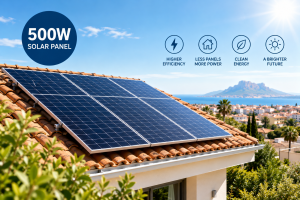
1. Residential rooftop solar systems: The most common application. Homeowners install solar panels on roofs to generate electricity for household consumption. A typical Spanish home with 10-16 panels generates 5,000-8,000 kWh annually, covering 70-100% of electricity needs.
2. Solar water heating: Solar thermal collectors heat water for domestic use, reducing gas or electricity consumption for hot water by 60-80%. These systems are particularly efficient in Spain’s sunny climate, providing hot water year-round.
3. Solar-powered street lighting: Municipalities install standalone solar street lights with integrated panels and batteries. These lights operate independently without grid connection, reducing municipal electricity costs and improving lighting in remote areas.
4. Commercial solar installations: Businesses install large-scale solar systems on warehouse roofs, parking structures, or ground-mounted arrays. These installations reduce operational costs significantly—a 100 kW commercial system can save €15,000-€20,000 annually.
5. Solar farms (photovoltaic plants): Large-scale solar installations generating electricity for thousands of homes. Spain has numerous solar farms, particularly in Alicante and southern regions with excellent sun exposure. A 1 MW solar farm generates 1,200-1,500 MWh annually.
Additional examples:
- Solar-powered EV charging stations
- Agricultural solar installations (agrivoltaics)
- Solar pool heating systems
- Portable solar chargers for devices
- Solar-powered irrigation systems
What Is Solar and How Does It Work?
Solar photovoltaic systems convert sunlight into electricity through a sophisticated yet elegant process:
Step 1: Sunlight capture Solar panels installed on your roof contain photovoltaic cells made of silicon semiconductor material. When sunlight (photons) hits these cells, it transfers energy to electrons in the silicon.
Step 2: Electricity generation This energy transfer causes electrons to break free and flow, creating direct current (DC) electricity. Each solar cell generates a small amount of electricity; multiple cells connected in panels produce substantial power.
Step 3: Current conversion The DC electricity flows to an inverter—a critical component converting DC into alternating current (AC), the standard electricity type used in Spanish homes for appliances, lights, and devices.
Step 4: Home power supply The AC electricity flows into your home’s electrical panel, powering everything connected to your electrical system. Your appliances use this clean solar electricity first, before drawing any power from the grid.
Step 5: Grid interaction When your panels generate more electricity than you’re consuming, excess power automatically feeds into the electrical grid. You receive compensation credits for this surplus energy. When production is insufficient (nighttime, cloudy days), you seamlessly draw electricity from the grid.
Step 6: Monitoring and optimization Modern solar systems include monitoring technology tracking production, consumption, and system performance in real-time through smartphone apps, allowing you to optimize energy usage.
Complete system components:
- Solar panels: Capture sunlight and generate DC electricity
- Inverter: Converts DC to AC electricity
- Bidirectional meter: Measures both consumed and exported electricity
- Monitoring system: Tracks real-time production and consumption
- Mounting structure: Secures panels to roof with optimal orientation and tilt
What Is Solar Energy in One Word?
Sunshine.
Solar energy is fundamentally sunshine converted into usable power. Every form of solar energy—whether photovoltaic electricity, thermal heating, or passive solar design—originates from the sun’s radiant energy reaching Earth.
Alternative one-word descriptions:
- Renewable (emphasizing its inexhaustible nature)
- Clean (highlighting zero emissions)
- Freedom (representing energy independence)
- Future (symbolizing sustainable energy evolution)
Benefits of Solar Energy for Spanish Homes
Financial advantages:
- Electricity bill reduction: 50-90% savings
- Fast payback period: 4-6 years with subsidies
- Government incentives: 40-60% cost reduction through subsidies
- Protection from rate increases
- Property value increase: 4% average
Environmental benefits:
- Zero emissions during operation
- 2+ tons annual CO2 reduction per typical home
- Reduced air and water pollution
- Conservation of finite fossil fuel resources
Practical advantages:
- Low maintenance requirements
- 25-30 year lifespan
- Silent operation
- Reliable performance in Spain’s excellent climate
- Grid-connected systems ensure continuous electricity supply
Spain-specific advantages:
- Excellent sun exposure: 2,500-3,000+ hours annually
- High electricity rates make solar highly economical
- Strong government support and incentives
- Simplified grid connection procedures
- Surplus energy compensation scheme
Solar Energy vs. Traditional Energy Sources
Renewable vs. finite: Solar energy is inexhaustible while fossil fuels deplete. The sun provides constant energy; coal, gas, and oil supplies diminish.
Clean vs. polluting: Solar produces zero emissions; fossil fuels emit CO2, particulates, and other pollutants causing climate change and health issues.
Stable vs. volatile costs: After installation, solar provides free electricity for 25-30 years. Fossil fuel prices fluctuate dramatically based on geopolitics, supply, and demand.
Distributed vs. centralized: Solar can be generated where it’s consumed, reducing transmission losses. Traditional power requires large plants and extensive distribution infrastructure.
Silent vs. noisy: Solar systems operate silently. Traditional power plants and generators create significant noise pollution.
Low maintenance vs. intensive: Solar panels require minimal maintenance. Traditional power generation requires constant fuel supply, frequent maintenance, and eventual decommissioning.
Common Solar Energy Misconceptions
“Solar doesn’t work on cloudy days” False. Solar panels generate electricity even on cloudy days, though at reduced capacity (10-25% of sunny day production). Spain’s abundant sunshine ensures excellent annual production regardless of occasional cloudy periods.
“Solar panels are too expensive” Outdated. Solar costs have dropped 80% since 2010. With current prices (€6,000-€10,000 for typical homes) and government subsidies reducing costs 40-60%, solar is highly affordable with 4-6 year payback periods.
“You need batteries to use solar” False. Grid-connected systems (most common) don’t require batteries. Excess production feeds to the grid; you draw power when needed. Batteries are optional for enhanced independence.
“Solar panels don’t last long” False. Quality panels last 25-30+ years with minimal performance degradation. After 25 years, panels typically maintain 80-85% of original output.
“Maintenance is complicated and expensive” False. Solar panels require minimal maintenance—occasional cleaning and annual inspections. No moving parts means few maintenance needs. Total lifetime maintenance costs are minimal.
Is Solar Energy Right for Your Home?
Solar energy suits most Spanish homes, particularly those with:
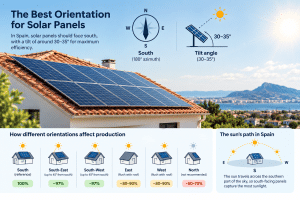
Good roof conditions: South-facing roofs with minimal shading are optimal, though east and west orientations also work well. Most Spanish homes have suitable roofs.
Stable electricity consumption: Homes with consistent electricity usage benefit most, though solar works for all consumption patterns.
Long-term occupancy plans: While solar increases property value if you move, staying 5+ years maximizes personal financial benefits.
Interest in sustainability: Homeowners valuing environmental responsibility and energy independence gain satisfaction beyond financial returns.
Even if you don’t meet all criteria, solar remains beneficial for most situations. Solarea Tech provides professional assessment determining your home’s specific solar potential.
Why Choose Solarea Tech for Solar Energy
Expert knowledge: We explain solar energy clearly, ensuring you understand how systems work and what to expect.
Quality installations: We install only Tier 1 equipment proven in Spain’s climate with strong warranties and verified performance.
Complete service: From initial education through installation, subsidies, and ongoing support, we handle everything.
Transparent approach: No confusing jargon or hidden costs—we explain solar energy and costs clearly and honestly.
Local expertise: Deep understanding of Spain’s climate, regulations, and optimal solar solutions for Spanish homes.
Proven track record: Over 500 installations completed with satisfied customers across Spain.
Start Your Solar Energy Journey
Understanding solar energy is the first step toward clean, economical electricity for your home. The combination of Spain’s excellent sunshine, high electricity rates, and government incentives makes solar energy an outstanding investment in 2026.
Ready to learn how solar energy works for your specific home? Contact Solarea Tech for a free, educational consultation. We’ll explain solar energy concepts, assess your property, and show you exactly how solar can benefit your situation.
Contact Solarea Tech today and discover how solar energy can power your home with clean, renewable electricity!